
"can drain"
2000 article(s) found

Full fruit, good average quality, fragrant and mellow washed Sidamo coffee beans
The coffee in Sidamo has a variety of flavors. Different soil types, microclimates and countless native coffee species, towering mountains, highlands, plateaus, valleys and plains, diverse topography, and the geology of the area belongs to nutrient-rich, well-drained volcanic soil. the depth of the soil is nearly two meters, and the surface soil is dark brown or brown. The biggest advantage of the place is

Unique and mellow Sidamo Coffee Flavor Manor area introduction to Ted Manor
The coffee in Sidamo has a variety of flavors. Different soil types, microclimates and countless native coffee species, towering mountains, highlands, plateaus, valleys and plains, diverse topography, and the geology of the area belongs to nutrient-rich, well-drained volcanic soil. the depth of the soil is nearly two meters, and the surface soil is dark brown or brown. The biggest advantage of the place is

Introduction to the manor producing area of Costa Rican boutique coffee beans with unique strong flavor
Coffee was introduced into Costa Rica from Cuba in 1729. Today, its coffee industry is one of the well-organized industries in the world, with a yield of 1700 kg per hectare. Costa Rica has only 3.5 million people but 400m coffee trees, and coffee exports account for 25 per cent of the country's total exports. The volcanic soil of Costa Rica is very fertile and well drained, especially in the central part.

How to use V60 to make a cup of coffee at home? what are the specific steps and the brewing time?
Simple, clean and convenient. If you are just starting to drink coffee, hand-made coffee is a good starting point. You may have seen someone using a V60 inverted cone funnel to slowly drain the extracted coffee through a filter. This brewing method is common in cafes around the world and can be said to be the starting point for many coffee lovers to make homemade coffee. How to make: 1. Along the seam
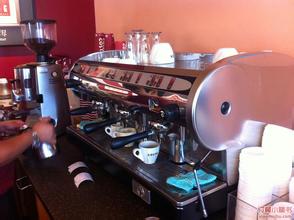
Coffee machine on the common problems of English tips analysis full (semi) automatic coffee machine English tips translation
A lot of coffee machine tips are in English, so also coffee machine will appear above the English tips listed here, and coffee friends to share oh. SELECT PRODUCT READY FOR USE This is the normal status for making coffee. Choose your favorite coffee and press the button. BREWUNITBLOCKED Brewing group has problems or blockages. After cleaning and inspection

Introduction to the characteristics of Sidamo Shakiso boutique coffee flavor and taste manor
The coffee in Sidamo has a variety of flavors. Different soil types, microclimates and countless native coffee species, towering mountains, highlands, plateaus, valleys and plains, diverse topography, and the geology of the area belongs to nutrient-rich, well-drained volcanic soil. the depth of the soil is nearly two meters, and the surface soil is dark brown or brown. The biggest advantage of the place is that

What's the flavor of the Gatundu Karinga producing area in Kenya? How is the coffee growing environment in Kenya?
Professional coffee knowledge exchange more coffee bean information please follow the coffee workshop (Wechat official account cafe_style) how is the flavor of Gatundu Karinga producing area in Kenya? How is the coffee growing environment in Kenya? Karinga coffee contains dark fruit flavors-rich grapes, plums, blackcurrants, good citrus and tannin acidity, and deep brown sugar sweetness

Introduction to the producing area of Sunshine Sidama Coffee with very diverse flavors
The coffee in Sidamo has a variety of flavors. Different soil types, microclimates and countless native coffee species, towering mountains, highlands, plateaus, valleys and plains, diverse topography, and the geology of the area belongs to nutrient-rich, well-drained volcanic soil. the depth of the soil is nearly two meters, and the surface soil is dark brown or brown. The biggest advantage of the place is

Introduction to the characteristics of Bolivian Coffee
Takesi Manor, drinking water and coffee after harvest treatment, using alpine melting cold snow landscape, so we give her a nickname: Takesi Snow vein Manor; in addition to low temperature, pollution-free environment, fertile and well-drained volcanic soil, is also an element of coffee flavor, although the owner of Agrotakesi SA is rich, but deep respect for nature and the way to get along, but

Bright style Costa Rican Yerzaro Coffee Flavor description characteristics of Grinding degree Variety introduction
Coffee was introduced into Costa Rica from Cuba in 1729. Today, its coffee industry is one of the well-organized industries in the world, with a yield of 1700 kg per hectare. Costa Rica has only 3.5 million people but 400m coffee trees, and coffee exports account for 25 per cent of the country's total exports. The volcanic soil of Costa Rica is very fertile and well drained, especially in the central part.
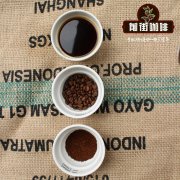
Tanzania Coffee Kilimanjaro Coffee Story of Kilimanjaro Coffee
Professional coffee knowledge exchange more coffee bean information please pay attention to the coffee workshop (Wechat official account cafe_style) Tanzanian coffee was first introduced by Catholic priests in 1898, then reintroduced KENT varieties in 1920, so far, Tanzanian coffee varieties are mainly bourbon and Kent. The market likes to bring neighboring Kenyan coffee

What is the anaerobic treatment of coffee? what is the difference in the taste of coffee between anaerobic solarization and anaerobic washing coffee?
During this period of time, coffee processing doesn't seem to be anaerobic, so it can't be called innovation. In fact, anaerobic treatment is not sophisticated. Put the fresh coffee fruit in a stainless steel bucket with an one-way valve. As carbon dioxide is released, oxygen is constantly replaced, which is anaerobic; putting fresh fruit in a sealed bag and draining excess air is also anaerobic. So, it's not so hard to be anaerobic.

A brief introduction to the Calibration of Coffee Bean Flavor description treatment in Yerzaro, Costa Rica
Coffee was introduced into Costa Rica from Cuba in 1729. Today, its coffee industry is one of the well-organized industries in the world, with a yield of 1700 kg per hectare. Costa Rica has only 3.5 million people but 400m coffee trees, and coffee exports account for 25 per cent of the country's total exports. The volcanic soil of Costa Rica is very fertile and well drained, especially in the central part.

Introduction to the characteristics of Coffee Grinding degree varieties in Xidamo Shaqiso producing area of Ethiopia
The coffee in Sidamo has a variety of flavors. Different soil types, microclimates and countless native coffee species, towering mountains, highlands, plateaus, valleys and plains, diverse topography, and the geology of the area belongs to nutrient-rich, well-drained volcanic soil. the depth of the soil is nearly two meters, and the surface soil is dark brown or brown. The biggest advantage of the place is

A brief introduction to the description of the flavor, taste and aroma characteristics of Costa Rica Tarazhu boutique coffee beans
Coffee was introduced into Costa Rica from Cuba in 1729. Today, its coffee industry is one of the well-organized industries in the world, with a yield of 1700 kg per hectare. Costa Rica has only 3.5 million people but 400m coffee trees, and coffee exports account for 25 per cent of the country's total exports. The volcanic soil of Costa Rica is very fertile and well drained, especially in the central part.

A variety of flavors of sun-cured Sidamo coffee beans Introduction Sidamo production area Ted Manor
Sidamo coffee is very diverse. Different soil types, microclimate and numerous native coffee species, high mountains, highlands, plateaus, valleys and plains, diverse terrain, and the geology of the area is rich in nutrients, well drained volcanic soil, soil depth of nearly two meters, the surface soil is dark brown or brown. The biggest advantage of this place is

What's the difference between Sidamo coffee? description of the flavor of Sidamo coffee.
For the exchange of professional baristas, please pay attention to the coffee workshop (Wechat official account cafe_style). The coffee flavor of Sidamo is very diverse. Different soil types, microclimates and countless native coffee species, towering mountains, highlands, plateaus, valleys and plains, diverse topography, and the geology of the area belongs to nutrient-rich, well-drained volcanic soil, the depth of the soil will

The price of exquisite Kopi Luwak is delicious Kopi Luwak is like shit coffee
Kopi Luwak is made in Indonesia. In the early 18th century, the Dutch established coffee plantations in the Indonesian colonies of Sumatra and Java, and banned locals from picking and eating their own coffee fruits. Indonesian locals inadvertently found that civets love to eat these coffee fruits and will drain the beans intact when defecating. The civet can only pick the most.

Introduction to the price of coffee beans and manor production areas in Sidamasha Chiso, Ethiopia
The price of coffee beans in the Xidamo Chiso region of Ethiopia is introduced and the geology of the area is a fertile, well-drained volcanic soil with a depth of nearly two meters and a dark brown or brown topsoil. The biggest advantage of the place is that the soil fertility is maintained through the circulation of organic matter, made by the withered leaves of the surrounding trees or the residual roots of the plants.

Costa Rica Diamond Mountain Coffee Bean Grind Scale Features
Coffee was introduced to Costa Rica from Cuba in 1729, and today its coffee industry is one of the most well-organized in the world, producing up to 1700 kilograms per hectare. Costa Rica has a population of 3.5 million, but coffee trees number 400 million, and coffee exports account for 25% of the country's total exports. The volcanic soils of Costa Rica are very fertile and well drained, especially in the central part.